
Top Types of Lithium Batteries for Global Buyers
For global buyers, choosing a battery chemistry means balancing performance, cost, safety, and operating conditions. Lithium Batteries cover several distinct technologies, and no single type suits every product. Lithium iron phosphate (LFP) is often selected for long service life and thermal stability, including in stationary storage and some electric vehicles. Nickel manganese cobalt (NMC) can offer a useful balance of energy density and power, while nickel cobalt aluminum (NCA) is valued in applications where high energy capacity matters. Lithium cobalt oxide (LCO) remains common in compact electronics. Lithium titanate (LTO) can support rapid charging and frequent cycling, though its lower energy density may not fit every design. Details matter.
These categories are a starting point, not a buying decision. Actual results depend on cell quality, pack design, battery management, temperature, and charging habits. A chemistry that performs well in a controlled test may behave differently in a hot warehouse or a vehicle exposed to cold mornings. Buyers should compare datasheets, usable capacity, cycle-life test conditions, warranty terms, and supplier quality records. Ask how performance figures were measured. Check pack compatibility and applicable market requirements before placing an order. This guide explains the main lithium battery types, their typical strengths, and their practical trade-offs. Some specifications can still be hard to compare directly; that uncertainty deserves attention, not a confident guess.
How Lithium Batteries Are Classified by Chemistry and Design
Top Types of Lithium Batteries for Global Buyers
How Lithium Batteries Are Classified by Chemistry and Design
Lithium batteries are classified by both their cell chemistry and physical design. Chemistry influences energy density, cycle life, operating limits, and thermal behavior. Lithium iron phosphate, or LFP, is commonly chosen for long service life and stable performance, though it is relatively heavy for its stored energy. Nickel manganese cobalt, or NMC, can provide higher energy density, which suits space-conscious equipment. Lithium cobalt oxide is often used in compact electronics, while lithium titanate offers fast charging and long cycle life but typically stores less energy per kilogram. These are broad tendencies, not guarantees. Easy to miss.
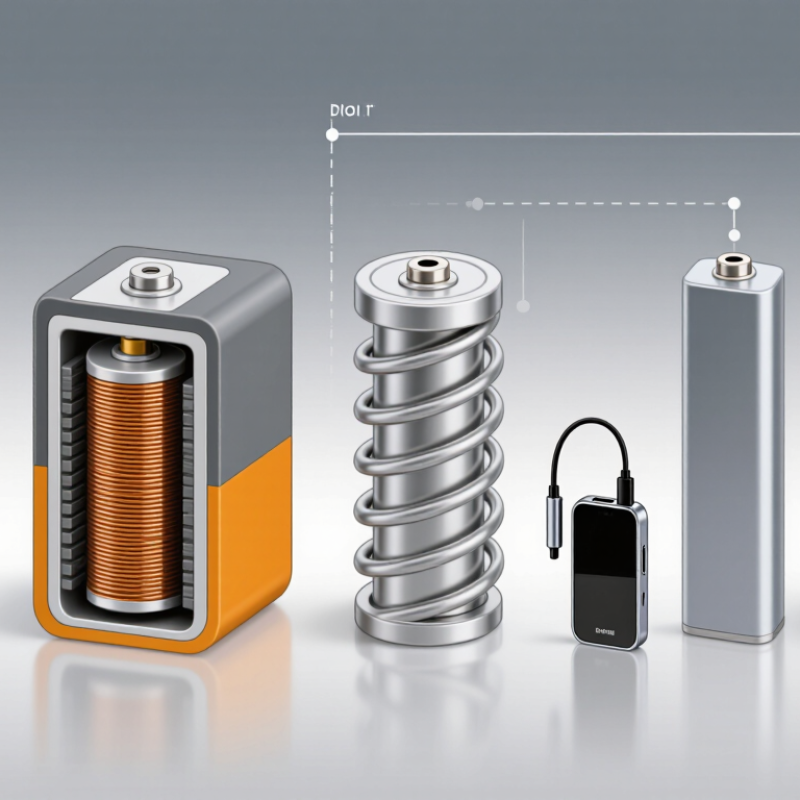
Cell design adds another layer. Cylindrical cells have a rigid metal casing and are relatively easy to handle in automated assembly. Prismatic cells use a rectangular enclosure, helping equipment makers use space efficiently. Pouch cells are lightweight and flexible in shape, but their soft outer package needs suitable mechanical support. The format affects cooling, packaging, and how cells are connected; it does not determine chemistry. When comparing datasheets, check the stated capacity, voltage range, cycle-life test conditions, and temperature limits. A quoted cycle-life figure can mislead if the testing conditions differ. Chemistry and design both matter, and the best fit depends on the device, operating environment, and service expectations.
Top Types of Lithium Batteries for Global Buyers - How Lithium Batteries Are Classified by Chemistry and Design
Typical values are indicative per cell and can vary by formulation and manufacturer. Form factor is a separate design choice, not a chemistry.
| Battery type | Chemistry and electrodes | Typical nominal voltage | Key characteristics | Common applications | Common design formats |
|---|---|---|---|---|---|
| Lithium iron phosphate (LFP) | Lithium iron phosphate cathode; typically graphite anode | About 3.2 V | Known for long cycle life and strong thermal stability; generally lower energy density than many nickel-rich lithium-ion chemistries. | Stationary energy storage, electric vehicles, commercial vehicles and backup power | Prismatic, pouch and cylindrical |
| Lithium nickel manganese cobalt oxide (NMC) | Nickel-manganese-cobalt oxide cathode; typically graphite anode | About 3.6–3.7 V | Balanced energy density, power capability and service life; performance depends on the nickel, manganese and cobalt proportions. | Electric vehicles, power tools and portable equipment | Cylindrical, prismatic and pouch |
| Lithium nickel cobalt aluminum oxide (NCA) | Nickel-cobalt-aluminum oxide cathode; typically graphite anode | About 3.6–3.7 V | High specific energy; requires careful cell, pack and thermal management. | Electric vehicles and applications where high energy per unit mass is important | Commonly cylindrical; other formats may also be available |
| Lithium cobalt oxide (LCO) | Lithium cobalt oxide cathode; typically graphite anode | About 3.6–3.7 V | High energy density in compact cells; typically less suited to high-power or long-cycle-life uses than some alternatives. | Phones, laptops, cameras and other portable electronics | Pouch and cylindrical |
| Lithium manganese oxide (LMO) | Lithium manganese oxide cathode; typically graphite anode | About 3.7 V | Can support good power output; cycle life and energy density vary, and blended chemistries are also used. | Power tools, medical devices and some electric-vehicle batteries | Cylindrical, prismatic and pouch |
| Lithium titanate (LTO) | Typically a lithium-based oxide cathode paired with a lithium titanate anode | About 2.3–2.4 V | Fast charging and long cycle life are common advantages; lower cell voltage and energy density can mean larger, heavier packs. | Fast-charge applications, transit vehicles and stationary systems | Prismatic and cylindrical |
| Primary lithium-metal cells | Metallic lithium anode; cathode chemistry varies, including lithium manganese dioxide and lithium iron disulfide | Varies by chemistry; not directly comparable across types | Non-rechargeable cells that can offer long shelf life and high energy for specialized uses; must not be confused with rechargeable lithium-ion cells. | Small electronics, sensors, meters and long-life devices | Coin, cylindrical and other specialty formats |
Design note: Cylindrical cells use a rigid round casing, prismatic cells use a rigid rectangular casing, and pouch cells use a flexible laminated enclosure. Actual format options depend on the specific cell type and supplier.