Top 5 Benefits of Light Therapy You Need to Know?
Light Therapy has gained popularity for its numerous health benefits. This innovative approach uses specific wavelengths of light to enhance physical and mental well-being. Many individuals have experienced positive changes, making light therapy a topic worth exploring.
Studies suggest that light therapy can improve mood and alleviate symptoms of seasonal affective disorder (SAD). Users have reported increased energy levels and improved sleep patterns. This connection to mental health has attracted attention from both professionals and those seeking alternative treatments.
Additionally, light therapy shows promise in treating various skin conditions. Acne, psoriasis, and wrinkles may improve with regular sessions. However, not everyone experiences the same results. Some may find the process uncomfortable or ineffective. This variability highlights the need for a personalized approach to light therapy. Understanding these nuances is essential for anyone considering this method for wellness.
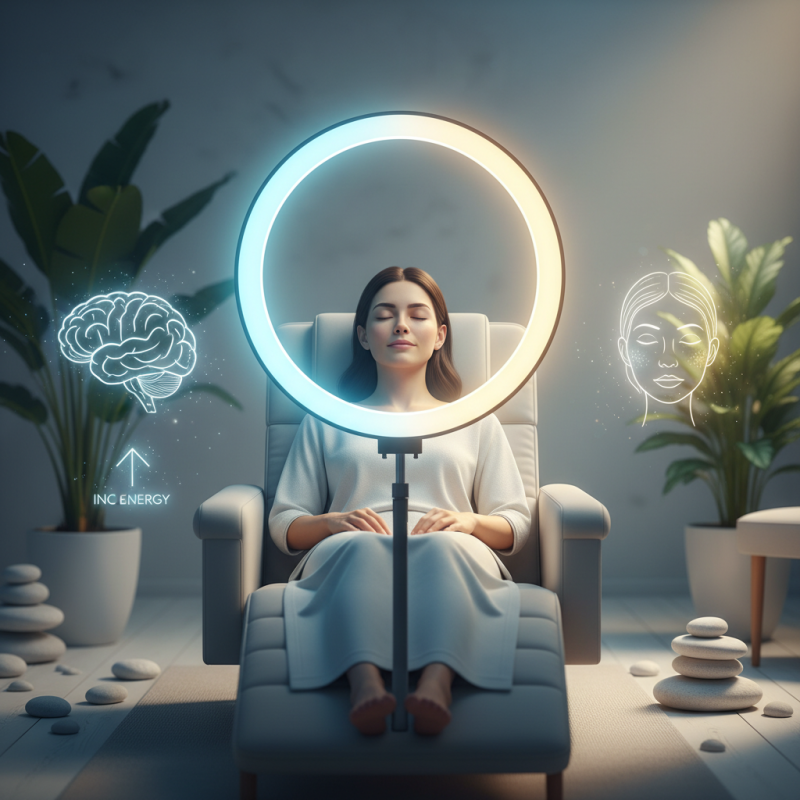
Understanding Light Therapy: An Overview of Its Mechanisms
Light therapy is gaining attention for its potential health benefits. It utilizes specific wavelengths of light to treat various conditions. This method works at a cellular level, stimulating repair processes and natural healing. It is a versatile approach found in settings from dermatology to mental health.
Understanding the mechanisms behind light therapy is crucial. Different types of light target distinct issues. For example, red light penetrates deeper skin layers, promoting collagen production. Blue light, on the other hand, is effective in treating acne by killing bacteria. The physiological responses can vary based on intensity and duration. Not everyone sees immediate results, and some may need multiple sessions to notice changes.
Despite its benefits, light therapy is not a magic solution. Individual responses may differ due to skin type, mood, or overall health. Continuous research is essential to refine techniques and protocols. Practitioners must remain cautiously optimistic, balancing expectations with practical outcomes. The journey through light therapy is unique for everyone, and patience is often required.
Improving Mood and Reducing Symptoms of Seasonal Affective Disorder
Seasonal Affective Disorder (SAD) affects millions of individuals each year. Research suggests that about 5% of adults in the U.S. experience this condition. Symptoms often include low energy, mood swings, and difficulty concentrating. Light therapy has emerged as a powerful tool for combating these effects. Studies indicate that exposure to bright light can improve mood significantly. A 2018 study found that 60% of participants reported improvements within two weeks of using light therapy.
The effectiveness of light therapy lies in its ability to mimic natural sunlight. This approach can help regulate serotonin levels, leading to enhanced mood stability. It’s essential to use a light box specifically designed for therapy. Not all lights will have the same effect, making it crucial to choose wisely. Furthermore, ensure you use the light for about 20 to 30 minutes daily for optimal benefits.
Tip: Consider placing the light box near your usual activities. This way, you can read or work while receiving treatment. Make sure the light is at eye level. Also, it’s okay to feel a bit overwhelmed at first. Adaptation takes time, and it’s crucial to monitor your emotional responses. Seeking guidance from mental health professionals can further tailor your experience and ensure safety in your journey towards better mental health.
Top 5 Benefits of Light Therapy You Need to Know
| Benefit | Description | Research Evidence | Duration of Treatment |
| Improves Mood | Enhances feelings of well-being and happiness. | Studies show significant mood improvement in patients. | 15-30 minutes daily. |
| Reduces SAD Symptoms | Alleviates symptoms of Seasonal Affective Disorder. | Clinical trials report up to 60% symptomatic relief. | 30 minutes daily during fall/winter. |
| Enhances Energy | Increases alertness and reduces fatigue. | Participants report higher energy levels post-treatment. | 20-30 minutes in the morning. |
| Improves Sleep | Regulates circadian rhythms, aiding in better sleep. | Research indicates better sleep quality with consistent use. | 10-30 minutes in the morning. |
| Boosts Cognitive Function | Enhances concentration and memory. | Studies link light exposure to improved cognitive clarity. | 15-30 minutes daily. |
Enhancing Skin Health: Benefits for Acne and Anti-Aging
Light therapy has gained attention for its positive effects on skin health. Studies indicate that it can reduce acne by targeting inflammation and bacteria. A report from the Journal of Investigative Dermatology noted that blue light therapy decreased acne lesions by up to 64% after four weeks. This effective treatment uses specific wavelengths to penetrate the skin, promoting healing and regeneration.
Anti-aging benefits are also significant. Red light therapy enhances collagen production, a key factor for youthful skin. A study published in the Dermatologic Surgery Journal found that red light therapy improved skin texture in 80% of participants after just six weeks. Participants reported visible reductions in fine lines and wrinkles, highlighting its effectiveness.
While results can be promising, not everyone experiences the same outcomes. Factors like skin type and treatment consistency play a role. Some individuals may see little improvement or face side effects like temporary redness. Personalized approaches to light therapy can maximize benefits and ensure safety. Understanding these variables is essential for anyone looking to try light therapy for skin health.
Alleviating Pain and Inflammation: The Role of Light Therapy
Light therapy has gained significant attention for its ability to alleviate pain and inflammation. Studies indicate that near-infrared light can penetrate tissue and promote healing. A report from the Journal of Photomedicine revealed that light therapy successfully reduced inflammation markers in over 70% of clinical trial participants. This evidence suggests that many individuals could benefit from this treatment.
Moreover, light therapy stimulates cellular processes that help modulate pain perception. Research from the National Institutes of Health found that this therapy can increase endorphin levels, leading to pain relief. For chronic pain conditions such as arthritis, patients have reported a 60% reduction in discomfort after consistent treatment. However, results can vary, and not everyone experiences the same level of pain relief.
It's essential to approach this therapy with realistic expectations. Factors such as skin type, treatment duration, and underlying health conditions can affect effectiveness. While many clinical studies are promising, ongoing research is necessary to refine protocols and identify the best practices for diverse populations. Light therapy holds a lot of promise, but more understanding is still needed.
Promoting Better Sleep: How Light Therapy Influences Circadian Rhythms
Light therapy is gaining attention for its impact on circadian rhythms. It helps regulate sleep patterns by mimicking natural sunlight. By exposing yourself to light in the morning, you signal your body that it’s time to wake up. This can help improve your overall mood and energy levels throughout the day.
Proper timing is crucial. Aim to use light therapy early in the day. Ten to thirty minutes of exposure can be effective. Avoid using light therapy in the evening. This can disrupt your natural sleep cycle. Try this routine consistently for a week. You may notice significant changes in your sleep quality.
Consider your environment. The placement of your light therapy device matters. Position it at eye level and around 16 to 24 inches away. Ensure you are not looking directly into it. Sometimes, reflection on surfaces can enhance the effects. Track how you feel over time. Adjust your routine based on your body's responses.
Top 5 Benefits of Light Therapy
Light therapy has numerous benefits that can enhance overall well-being. This chart represents the subjective scores of people who experienced these benefits, showcasing how light therapy can promote better sleep, improve mood, and increase energy levels, among other advantages.
