10 Tips for Choosing the Best LED Display in Malaysia
The demand for LED displays in Malaysia is rapidly increasing. According to a recent industry report, the market for LED displays is projected to grow at a CAGR of 10% over the next five years. This growth reflects the rising interest in technology and digital advertising. As businesses compete for visibility, choosing the right LED display becomes crucial.
When selecting an LED display in Malaysia, several factors should be considered. The quality of visuals, brightness, and energy efficiency are key elements. Manufacturers are improving their products, yet not all displays meet high standards. It's essential to seek reliable brands that provide warranties and after-sales support. Buyers should also evaluate where the display will be used, whether indoors or outdoors, to ensure it meets environment-specific requirements.
Additionally, budget constraints could affect decisions. While expensive displays may offer better quality, there are affordable options that perform well. Understanding the total cost of ownership, including maintenance, is vital. In short, making an informed decision about an LED display in Malaysia requires thorough research and consideration of multiple factors.
Understanding the Different Types of LED Displays Available in Malaysia
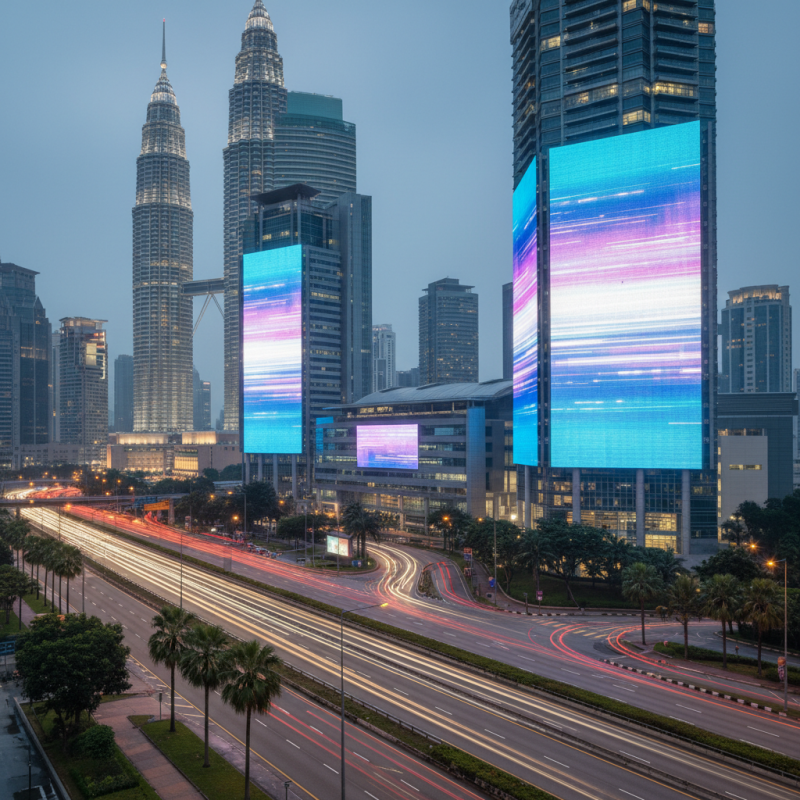
Choosing the right LED display can be challenging. In Malaysia, several types are available, each with unique features. From indoor to outdoor displays, understanding their differences is vital. Indoor screens often prioritize picture quality and brightness. They're perfect for events, exhibitions, or retail spaces. Meanwhile, outdoor displays need durability and high visibility. They should withstand weather conditions and be easily readable in sunlight.
When evaluating your options, consider your specific needs. For example, if you require a display for concerts, a high refresh rate is essential. This feature ensures smooth visuals. If your goal is advertising, clarity and brightness matter more. Not all displays perform well under direct sunlight. Many users overlook the importance of pixel pitch. A smaller pixel pitch means better resolution. This can be crucial for viewers at close distances.
Reflecting on these aspects can lead to better choices. Beware of flashy promotions that promise perfection. Sometimes, lower-cost options compromise on quality or performance. Test the displays whenever possible before purchasing. Visual experience varies significantly. Keep in mind that understanding the technical specifications can make a big difference. Choosing an LED display is not just about aesthetics. It's about function and suitability for your unique context.
Factors to Consider When Selecting the Right Size for Your LED Display
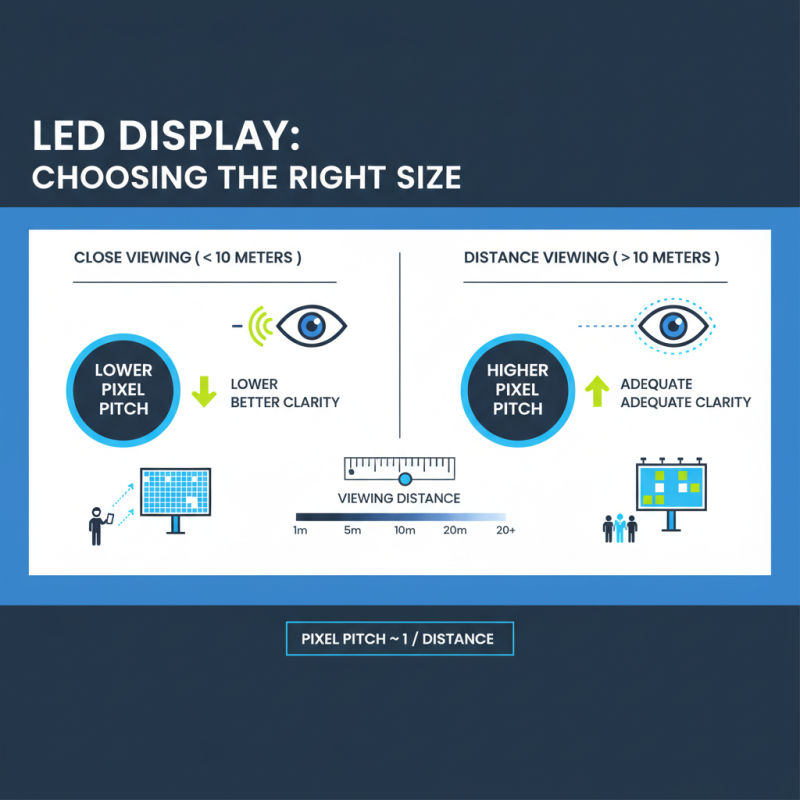
When selecting the right size for an LED display, several factors come into play. The intended viewing distance is crucial. For instance, a display viewed from 10 meters away might need a different pixel pitch. Reports suggest that a lower pixel pitch provides better clarity for closer viewing, while a higher pitch is adequate for larger distances.
Another important consideration is the location of the display. Indoor spaces typically require smaller displays. Outdoor environments, however, often call for larger, more robust screens. A study by MarketsandMarkets indicates that global LED display market growth will likely exceed 12% annually. This demand highlights the need for precise sizing based on specific applications.
Visual clutter and distraction can occur if a display is oversized. Conversely, a small screen might not be impactful enough for a large gathering. Hence, you should evaluate the audience size before making your choice. An LED display that does not meet these conditions may underperform and lead to viewer disengagement. This can be costly for businesses that rely on effective visual communication.
Exploring Advanced Features of LED Displays for Enhanced Functionality
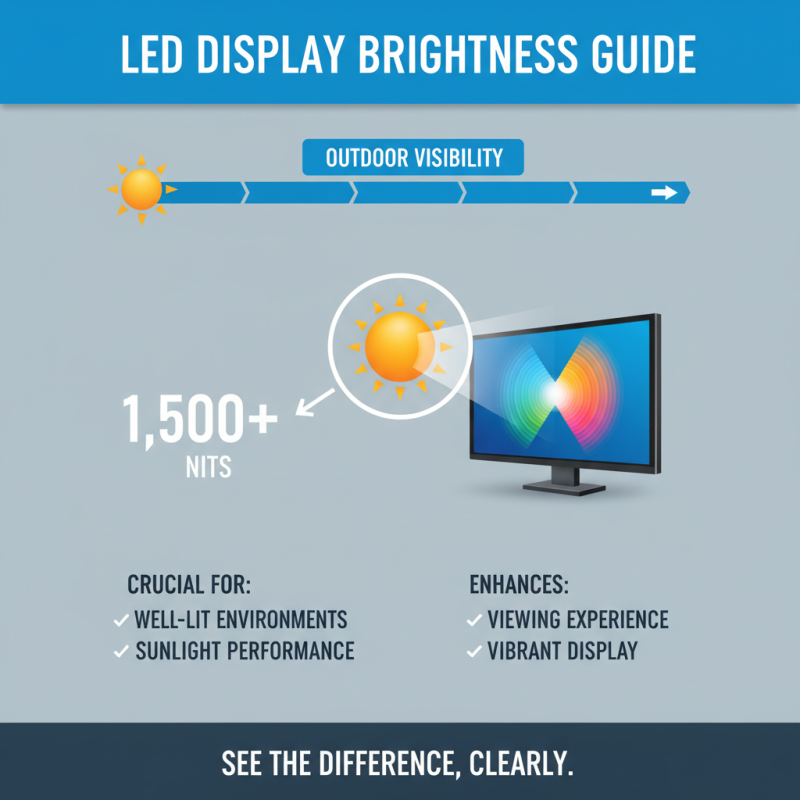
When selecting an LED display, advanced features are crucial for performance. High brightness levels, for instance, enhance visibility in sunlight. A recent report by MarketsandMarkets indicates that the global LED display market is expected to surpass $70 billion by 2025. The demand for better performance is driving innovation in this sector.
Consider features like pixel pitch, an indicator of display clarity. Smaller pixel pitches offer sharper images, especially for close-viewing applications. Reports suggest that displays with a pixel pitch of 3mm or lower are becoming increasingly popular. This trend shows users are valuing image quality over mere screen size. However, such specifications can sometimes lead to complex installation and maintenance challenges.
Flexibility is another critical aspect. Modular designs allow for various configurations, enabling tailored solutions. Users can adjust sizes and shapes to fit their needs. Yet, this adaptability may complicate the decision-making process. Not all users are equipped to handle these options effectively. Beauty and utility need to align; a visually appealing display might not function as needed.
10 Tips for Choosing the Best LED Display in Malaysia
| Feature |
Description |
Importance |
| Resolution |
Higher resolution provides better image clarity and detail. |
Critical for visual impact. |
| Brightness |
Measured in nits; higher brightness is crucial for outdoor displays. |
Essential for clear visibility in sunlight. |
| Refresh Rate |
Higher refresh rates prevent flickering and motion blur. |
Important for video playback. |
| Viewing Angle |
Wider angle allows more viewers to see the display clearly. |
Enhances audience reach. |
| Durability |
Robust outdoor displays withstand weather elements. |
Essential for long-term use. |
| Installation Type |
Consider whether it’s for permanent or portable use. |
Affects convenience and location. |
| Cost |
Budgeting for upfront and maintenance costs. |
Critical for ROI calculations. |
| Energy Efficiency |
Lower energy consumption reduces operational costs. |
Important for sustainability. |
| Control System |
Advanced systems allow for easy and remote content management. |
Enhances user experience. |
| Customer Support |
Responsive support ensures quick resolution of issues. |
Crucial for minimizing downtime. |
Assessing Cost vs. Quality: Finding the Right Budget for Your LED Display
When considering LED displays, balancing cost and quality is crucial. A quality display can last over five years, while cheaper options might fail sooner, leading to unexpected costs. Reports indicate that high-quality LED displays can provide better brightness and lower power consumption, accounting for a long-term saving.
Evaluate your budget carefully. LED displays can range significantly in price. It’s easy to overlook essential features while focusing on affordability. Spend time researching specifications. Often, investing a bit more upfront can reduce maintenance costs later. Look for warranties or guarantees that ensure longevity.
When choosing an LED display, prioritize resolution and brightness. A higher resolution display offers better clarity, especially for large audiences. Pay attention to pixel pitch: smaller pixel pitches yield sharper images. Analyze your display’s usage environment—indoors versus outdoors. This often impacts your overall cost. Selecting the right LED display means weighing these factors alongside your budget constraints.
Cost vs. Quality of LED Displays in Malaysia