What is an LCD Module and How Does It Work?
In the realm of modern technology, an LCD module stands as a vital component in numerous devices. According to a report by MarketsandMarkets, the global LCD market is projected to reach $148.7 billion by 2025. This growth underscores the importance of understanding how an LCD module operates.
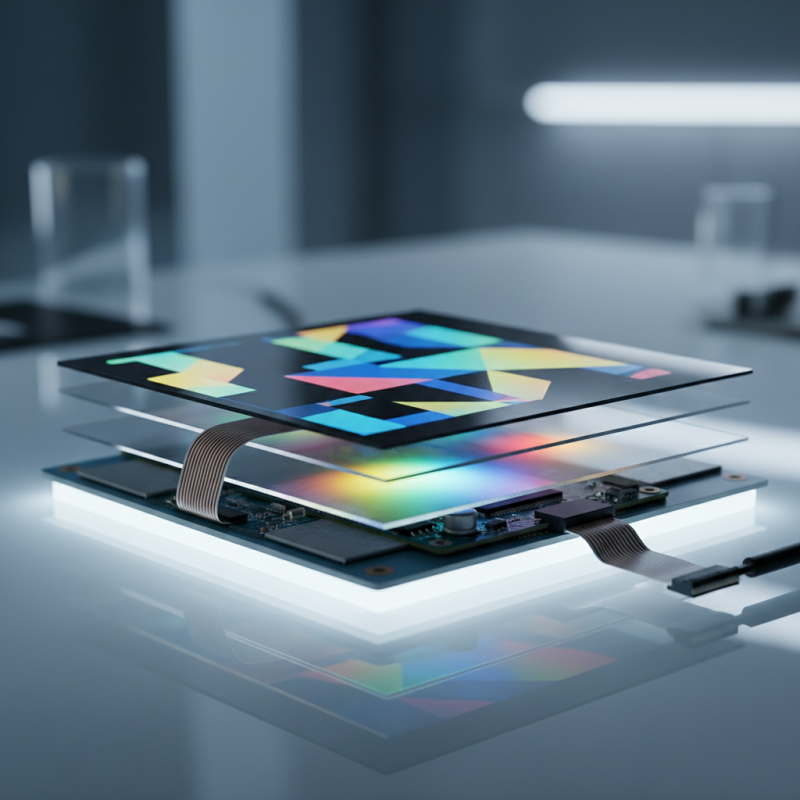
An LCD module consists of layers that manipulate light to produce images. Each module integrates a liquid crystal display, backlight, and control electronics. However, many users remain unaware of the complexities involved in their functionality. It is crucial to reflect on both the advancements and shortcomings of current LCD technology.
While LCD modules offer vibrant visuals, issues such as limited viewing angles and response times can hinder their performance. Reports suggest that integrating newer technologies could enhance these features. As the industry evolves, a deeper understanding of LCD modules will be essential for improving user experiences.
What is an LCD Module?
An LCD module, or liquid crystal display module, is a crucial component in many electronic devices. It consists of a liquid crystal layer sandwiched between two layers of polarized glass. This setup allows the module to control light and create visual images. The technology works by manipulating the alignment of liquid crystals using electrical signals. When current flows through the crystals, they change orientation, altering how light passes through.
These modules are used in various applications, from smartphones to televisions. They provide clear images and conserve energy. However, they can also present challenges. One common issue is the color accuracy, which might not meet expectations. Additionally, LCD modules can struggle in direct sunlight, making them less readable outdoors.
In terms of design, each module has a limited viewing angle. This means the displayed image may not look consistent from all perspectives. Developers constantly seek improvements, yet some problems persist. Balancing performance and cost remains a key challenge in this evolving technology. It’s interesting to see how advances in materials and manufacturing are addressing these concerns.
Key Components of an LCD Module
An LCD module consists of several key components that work together to display images. The primary element is the liquid crystal display itself, composed of liquid crystal material sandwiched between two polarizing filters. This structure allows the crystals to control light transmission, producing visuals.
Backlighting is another crucial component. Typically, it employs LED technology, which provides brightness and color uniformity. Studies show that over 60% of modern LCD modules use LEDs for backlighting. This choice enhances energy efficiency, a significant concern in today's electronics market. However, poor backlight quality can lead to a lack of contrast, affecting user experience.
The driver circuit plays a vital role, sending signals to manipulate the liquid crystals. This circuit needs to be designed efficiently to ensure rapid response times, especially in applications like gaming and video. However, issues can arise with compatibility and power consumption, leading to challenges in optimizing modern displays. Understanding these components is essential for those looking to create or improve LCD technology.
The Working Principle of LCD Technology
Liquid Crystal Display (LCD) technology operates through a fascinating interplay of light and liquid crystals. At its core, an LCD module consists of two polarizing filters with a liquid crystal solution sandwiched between them. When electrical voltage is applied, the liquid crystals align. This alignment affects the passage of light through the display.
Light enters from the back, passing through the first polarizer. If the liquid crystal molecules are in their natural state, they twist the light, allowing it to pass through the second filter. However, when a voltage is applied, this twisting is disrupted, and light is blocked instead. This change creates visible images on the screen.
The intricacies of this process are impressive but also captivating. Each pixel on an LCD can be controlled independently. Yet, the technology is not without its flaws. Sometimes, colors may not appear as vivid as expected. Viewing angles can reduce brightness or contrast. These imperfections invite reflection on how technology continues to evolve. Despite these challenges, LCD remains a popular choice for screens.
Types of LCD Modules and Their Applications
LCD modules are widely used in various applications, thanks to their versatility and efficiency. There are several types of LCD modules, each designed for specific purposes. Monochrome LCDs are effective for basic displays, often used in calculators and simple devices. These modules enhance visibility while consuming less power, making them ideal for low-energy applications.
Color LCD modules are increasingly popular. They are commonly found in smartphones, tablets, and digital cameras. According to industry data, the global LCD display market is projected to reach $120 billion by 2025, driven by demand for vibrant colors and high resolution. Moreover, touch screen LCDs are transforming user interfaces across devices. This type provides intuitive interaction, bridging the gap between users and technology.
Tips: When selecting an LCD module, consider the intended application. Analyze the size, resolution, and power consumption. It's essential to match these factors with your project's needs.
The challenge lies in ensuring compatibility with other components. Not all LCD modules work seamlessly with every circuit design. Testing is critical. Another concern is the gradual fading of colors over time. Users should be aware that brightness can diminish, affecting visibility. Regular evaluation and adjustments may be necessary to maintain optimal performance.
Types of LCD Modules and Their Applications
Advantages and Disadvantages of Using LCD Modules
LCD modules have transformed how we interact with technology. They offer clear visuals and are energy-efficient. However, they also come with both advantages and disadvantages.
One major advantage of LCD modules is their low power consumption. According to a recent industry analysis, LCD displays typically use up to 50% less power than older CRT technology. This makes them ideal for portable devices, where battery life is crucial. Additionally, their lightweight and slim profile allows for easy integration into various applications, from smartphones to televisions. However, the contrast and color accuracy can lag behind other technologies like OLED. Users often report that black levels on LCDs appear grayish, affecting the viewing experience.
On the downside, LCD modules have certain limitations. Many struggle with viewing angles, leading to distorted colors when viewed from the side. A survey indicated that about 30% of users experience dissatisfaction due to these limited angles. Another concern is their susceptibility to damage. Pressure or impact can cause visible pixel defects. While advancements continue to improve LCD durability, the risk remains a consideration for manufacturers. Reflecting on these pros and cons is essential for selecting the right display technology.