Top High Brightness LCD Displays for Ultimate Visibility?
In today's fast-paced world, visibility matters more than ever. The demand for high brightness LCD displays has surged across various industries. According to a recent report by DisplayMate, high brightness LCDs can deliver up to 1,500 nits, ensuring clear visibility even in direct sunlight. This capability is vital for applications in outdoor advertising and transportation.
Additionally, research from MarketsandMarkets highlights that the high brightness LCD display market is projected to grow at a CAGR of 7.5% from 2021 to 2026. With advancements in technology, manufacturers are innovating to enhance clarity while reducing energy consumption. However, challenges remain. Some displays may struggle with color accuracy and viewing angles.
Ultimately, the choice of a high brightness LCD display must consider application needs. What works for a bus stop might not suit a retail environment. Making the right decision requires careful evaluation of specific features and conditions.
Understanding High Brightness LCD Displays and Their Importance
High brightness LCD displays have become essential in various settings. They excel in environments with strong ambient light. This capability ensures content remains visible, whether in outdoor areas or bright indoor spaces. Users frequently encounter issues where standard displays are nearly unreadable in sunlight. High brightness solutions address this frustration effectively.
These displays project vibrant colors and sharp details. Their increased luminance also enhances contrast, making text and images clearer. This is particularly valuable in applications like retail signage and control rooms. However, one must consider the increased power consumption associated with high brightness. This might lead to higher operational costs and environmental concerns over time.
Another aspect worth exploring is the viewing angle. High brightness alone may not suffice if the display’s angle limits visibility. Users need displays that offer consistent visibility from various positions. This complexity invites a closer examination of specific project requirements, yet many overlook it. Balancing brightness, clarity, and energy efficiency is tricky. It often requires trial and error to find the perfect combination that fulfills these needs.
Key Specifications to Consider in High Brightness LCD Displays
When selecting high brightness LCD displays, several key specifications come into play. Brightness is crucial. A display with at least 1000 nits provides better visibility in bright environments. Contrast ratio is also important. A higher ratio ensures that black levels appear deeper, enhancing overall image quality.
Another specification is the response time. Faster response times minimize motion blur, which is vital for fast-moving content. Durability is also a consideration. All displays should be able to withstand harsh conditions. Look for ones with protective glass or ruggedized cases. However, not all products are designed for extreme environments, which can be a major flaw.
Viewing angles can influence user experience too. Wider angles allow multiple viewers to see the display clearly. This is especially relevant in collaborative settings. Power consumption is often overlooked. High brightness displays can consume more energy, affecting long-term costs. These details can significantly impact selection, making it vital to weigh the pros and cons carefully.
Top Brands Leading the High Brightness LCD Display Market
The high brightness LCD display market is witnessing significant growth. A recent report indicates a projected CAGR of 7.8% from 2023 to 2030. This surge is essential for industries requiring visibility in bright environments. Specifically, sectors like transportation and digital signage are driving demand.
Leading brands continue to innovate in this space. They focus on advancements that enhance clarity and durability. High brightness displays can reach over 1,500 nits, making them suitable for outdoor settings. Yet, not all products on the market meet these standards. Some displays struggle with glare and color accuracy under sunlight.
Energy efficiency remains a crucial concern. Many manufacturers are striving to improve this facet. The balance between brightness and power consumption is essential. An energy-efficient display not only saves costs but also reduces environmental impact. Discrepancies in performance among brands can be frustrating for consumers. The industry must address these gaps to maintain user trust.
Applications of High Brightness LCD Displays in Various Industries
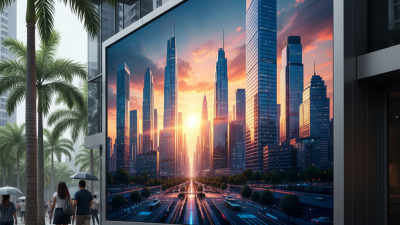
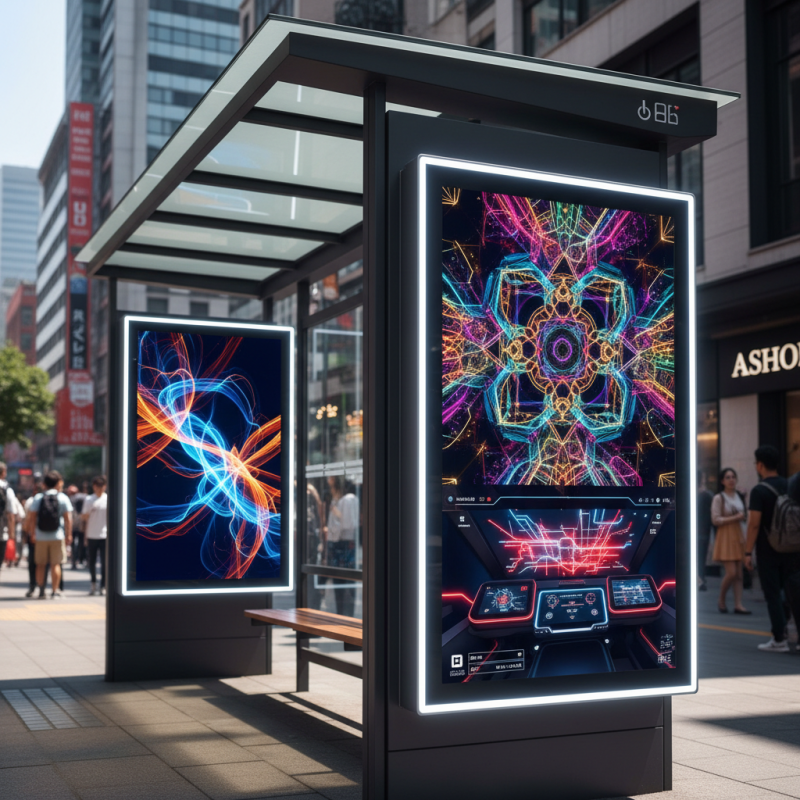
High brightness LCD displays have become essential in various industries. They provide clear visibility even in bright sunlight. This attribute is vital for sectors like transportation and outdoor advertising. For example, a bus stop display needs to be visible to passengers. If the screen is dim, it fails its purpose.
In retail, bright displays attract customers. Imagine walking past a store with vibrant visuals. A high brightness LCD grabs attention instantly. However, challenges exist. The cost of these displays can be high, making budget decisions tough for businesses. Additionally, they may consume more energy. This raises sustainability questions.
In the industrial sector, operators rely on high visibility screens under harsh lighting. They monitor processes or machinery. If the display lacks clarity, mistakes can happen. Yet, some operators may underestimate the impact of poor visibility. Investing in better technology is crucial. It can enhance safety and productivity in the long run, despite the upfront costs.
Top High Brightness LCD Displays for Ultimate Visibility
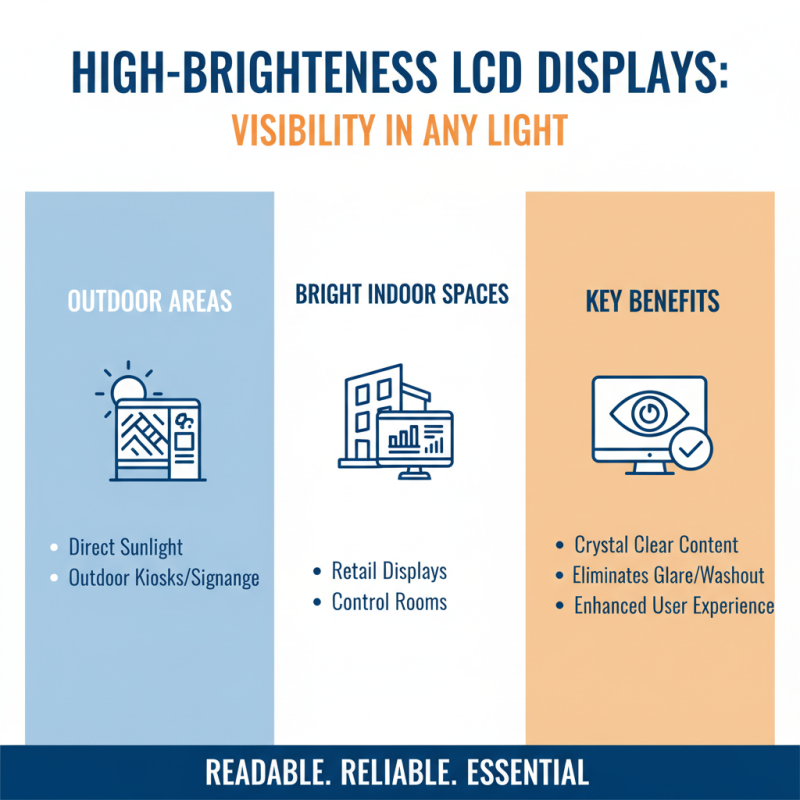
This chart illustrates the applications of high brightness LCD displays across various industries, highlighting their importance in enhancing visibility in challenging environments.
Future Trends and Innovations in High Brightness LCD Technology
High brightness LCD displays are gaining attention for their enhanced visibility. These screens thrive in various lighting conditions, offering clear visuals even in direct sunlight. New advancements enhance their efficiency while maintaining color accuracy. The need for improved visibility is evident in outdoor advertising and transportation sectors. Yet, challenges remain in managing power consumption and maintaining display lifespan.
Looking toward the future, innovations in high brightness technology are poised to change the landscape. Enhanced backlighting techniques promise brighter displays without compromising energy use. Additionally, integrating smart technologies can optimize display performance. However, the cost of such innovations can be a barrier for some. As the market evolves, striking a balance between affordability and cutting-edge features will be crucial. There is also the need to consider environmental impacts. Sustainable materials and manufacturing processes are increasingly important in shaping industry trends.