
How to Choose LED Display Solutions in 2026?
Choosing led display solutions in 2026 requires more than comparing brightness, pixel pitch, and price. The right decision connects technology with viewing distance, content type, room lighting, maintenance access, and energy use. A fine-pitch screen may look impressive in a boardroom, yet waste budget in a shopping mall viewed from ten meters away. Details matter. Even cable routes matter.
Omdia’s LED Video Displays Market Tracker highlights continued demand across corporate, retail, entertainment, and public environments. TrendForce’s research also points to expanding fine-pitch LED adoption, especially where seamless images and flexible installation are essential. These reports support market growth, but forecasts remain imperfect. Supplier definitions and regional data can differ. A reliable buyer should examine the methodology, not only the headline number.
David Haynes, Omdia’s Director of Pro AV, has described LED as “an experience platform, not merely a screen.” That perspective changes the evaluation process. A 1.5-millimeter display, for example, can deliver sharp text at close range, but it may require tighter calibration and more careful servicing. A 2.5-millimeter model may provide better value for wider viewing distances. Brightness must also suit the environment. Excessive brightness can create glare, eye discomfort, and unnecessary power consumption.
The strongest led display solutions combine measurable performance with practical ownership. Review refresh rate, grayscale, color consistency, thermal behavior, warranty coverage, spare modules, and remote monitoring. Ask how the display performs after three years, not only on installation day. That question is often missed. It should not be.
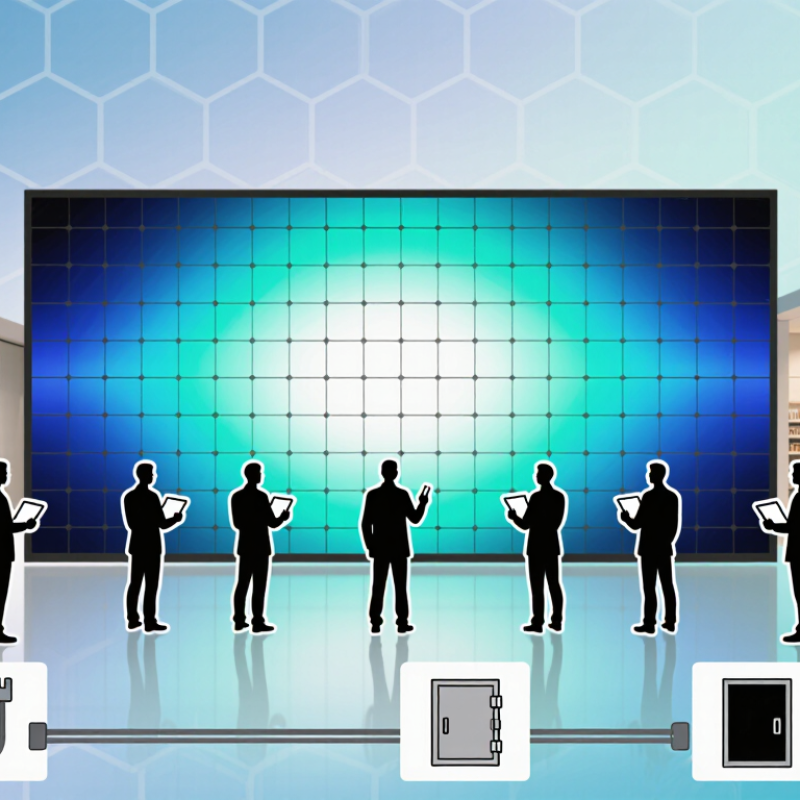
Understanding LED Display Types and Their Core Applications
How to Choose LED Display Solutions in 2026?
LED display selection starts with the application, not the cabinet’s advertised pixel pitch. Grand View Research valued the global LED display market at approximately USD 7.8 billion in 2023, with continued growth expected through 2030. That expansion reflects wider use in retail, transport, sports venues, control rooms, and live events. Indoor fine-pitch displays suit close viewing, such as meeting rooms and premium stores. Outdoor displays need high brightness, strong thermal design, and suitable IP protection against dust and water. They must remain readable under direct sunlight.
Different LED types solve different problems. Rental panels prioritize fast assembly, lightweight frames, and front or rear maintenance. Transparent displays support glass façades, but their visual impact depends heavily on background lighting. Small-format posters work for short promotional messages, not detailed dashboards. MarketsandMarkets projects the LED display market will grow from about USD 7.4 billion in 2024 to USD 11.1 billion by 2029. The figures vary between reports, so forecasts deserve careful comparison.
Viewing distance still matters most. A tighter pixel pitch can improve detail, yet it may raise cost and power use. I would test brightness, refresh rate, grayscale, and camera performance before approval. Flicker can ruin recorded content. Heat can shorten component life. No formula is perfect. Site measurements, content tests, service access, and energy estimates often reveal weaknesses that a specification sheet hides.
How to Choose LED Display Solutions in 2026? - Understanding LED Display Types and Their Core Applications
| LED Display Type | Typical Environment | Common Pixel Pitch | Typical Brightness | Recommended Viewing Distance | Key Technical Characteristics | Core Applications | Main Selection Priorities |
|---|---|---|---|---|---|---|---|
| Indoor Fine-Pitch SMD | Indoor | Approximately 0.9–2.5 mm | 600–1,500 nits | Approximately 1–10 m | High image detail, wide viewing angles, low operating brightness, and seamless modular construction. | Control rooms, boardrooms, museums, broadcast studios, corporate lobbies, and premium retail spaces. | Pixel pitch, close-up image quality, grayscale performance, color uniformity, acoustic output, and maintenance access. |
| Indoor Standard-Pitch SMD | Indoor | Approximately 2.6–4.8 mm | 800–1,500 nits | Approximately 3–20 m | Balanced image quality and cost for medium- to large-format indoor viewing. | Shopping centers, conference venues, hotels, auditoriums, houses of worship, and indoor advertising. | Audience distance, screen size, content type, serviceability, energy consumption, and total cost of ownership. |
| Outdoor Direct-View SMD | Outdoor | Approximately 3.9–10 mm | 4,500–8,000 nits | Approximately 5–80 m or more | High brightness, weather-resistant cabinet design, automatic brightness control, and robust thermal management. | Outdoor advertising, building façades, transport hubs, sports venues, public squares, and roadside signs. | Brightness, IP rating, wind load, viewing distance, heat dissipation, local regulations, and front or rear maintenance. |
| Outdoor DIP LED | Outdoor | Approximately 8–20 mm | 6,000–10,000 nits | Approximately 15–150 m or more | Strong long-distance visibility and high resistance to harsh outdoor conditions, with lower image resolution than SMD. | Large roadside billboards, stadium perimeters, industrial facilities, and long-distance information displays. | Viewing distance, sunlight readability, durability, power consumption, resolution requirements, and replacement availability. |
| COB Fine-Pitch LED | Indoor / Semi-Indoor | Approximately 0.7–1.5 mm | 600–1,200 nits | Approximately 0.8–6 m | Integrated LED packaging, improved surface protection, reduced pixel damage risk, and smooth close-view appearance. | Premium control rooms, executive meeting rooms, virtual production, command centers, and high-end experience spaces. | Surface protection, pixel repair method, contrast, close-view uniformity, heat management, and maintenance procedure. |
| Rental LED Display | Indoor / Outdoor | Approximately 2.6–10 mm | Indoor: 800–1,500 nits; Outdoor: 4,000–6,000 nits | Approximately 3–60 m | Lightweight cabinets, fast locking systems, stacking or hanging options, and frequent installation and removal capability. | Concerts, exhibitions, conferences, touring productions, sports events, and temporary brand activations. | Cabinet weight, setup speed, rigging safety, corner protection, spare parts, weather resistance, and transport efficiency. |
| Transparent LED Display | Indoor / Outdoor | Approximately 3.9–10 mm | 3,000–6,000 nits | Approximately 5–40 m | Open structure allows light and partial visibility through the screen while preserving a digital advertising surface. | Glass façades, retail windows, atriums, airports, architectural installations, and stage backgrounds. | Transparency ratio, ambient light, structural mounting, viewing angle, wind exposure, content contrast, and cleaning access. |
| Flexible LED Display | Indoor / Creative Installations | Approximately 1.5–4 mm | 800–2,000 nits | Approximately 2–20 m | Flexible modules can form curves, cylinders, waves, and other non-flat creative surfaces. | Immersive environments, stage design, museums, themed attractions, retail displays, and creative architectural features. | Bending radius, module protection, installation method, structural support, seam visibility, and long-term mechanical stability. |
| Fine-Pitch Virtual Production LED | Studio / Controlled Indoor | Approximately 1.5–3.9 mm | 1,000–3,000 nits | Approximately 2–15 m | Designed for camera capture with high refresh rates, scan control, color calibration, and reduced moiré risk. | Film and television production, advertising shoots, live broadcast, extended reality, and simulation environments. | Refresh rate, shutter synchronization, scan mode, camera compatibility, color calibration, black level, and moiré control. |
| LED Poster Display | Indoor / Portable | Approximately 2.5–4.8 mm | 800–2,500 nits | Approximately 2–15 m | Compact all-in-one format with integrated control electronics and simplified deployment. | Retail promotions, exhibitions, hotel events, reception areas, temporary announcements, and point-of-sale communication. | Portability, screen brightness, built-in media playback, networking, operating noise, and content management. |
| Sports Perimeter LED | Outdoor / Stadium | Approximately 6–10 mm | 5,000–8,000 nits | Approximately 10–80 m | High visibility, protective cushioning, enhanced refresh performance, and cabinet designs suitable for continuous operation. | Football, basketball, motorsports, tennis, athletics, and other live sports venues. | Impact protection, refresh rate, viewing angle, brightness control, weather resistance, safety barriers, and service access. |
| All-in-One LED Conference Display | Indoor | Approximately 1.2–2.5 mm | 600–1,200 nits | Approximately 2–12 m | Integrated display, controller, speakers, and connectivity options for simplified meeting-room deployment. | Meeting rooms, training centers, executive offices, lecture halls, and hybrid collaboration spaces. | Screen size, camera placement, collaboration software compatibility, audio quality, installation time, and service support. |
Related Posts
-
2025 How to Choose the Best LED Display for Your Business Needs
-
Why Choose LED Display Modules for Your Business Needs?
-
Top Benefits of LED Displays for Businesses: Improve Visibility & Engagement
-
2026 How to Choose the Best LED Display Module for Your Project?
-
How to Choose the Right LED Screen for Your Needs: A Complete Guide
-

What is a LED screen and how does it work?