How to Choose the Best Outdoor Display for Your Business?
Choosing the right outdoor display for your business can be challenging. An effective outdoor display captures attention and communicates messages clearly. It plays a crucial role in attracting customers and enhancing your brand image. Outdoors, lighting, weather, and location all impact your display's effectiveness.
Consider various types of outdoor displays available. Digital screens offer dynamic content, while traditional banners provide simplicity. Reflect on your audience's preferences and behaviors. What works in one location may not work in another. It’s essential to experiment and analyze your results. Gathering data will refine your choices.
Selecting an outdoor display requires both creativity and strategy. A good display engages viewers and invites curiosity. However, not every option will meet your expectations. Test different formats and be open to adjustments. Seek expert advice when necessary. Ultimately, finding the best outdoor display can lead to increased foot traffic and sales.
Understanding the Importance of Outdoor Displays for Businesses
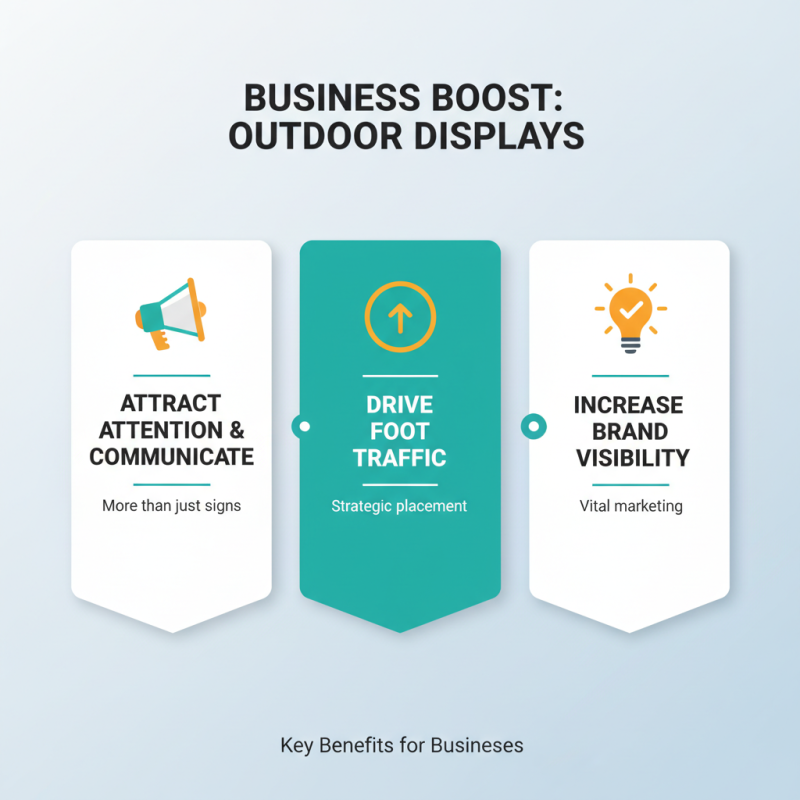
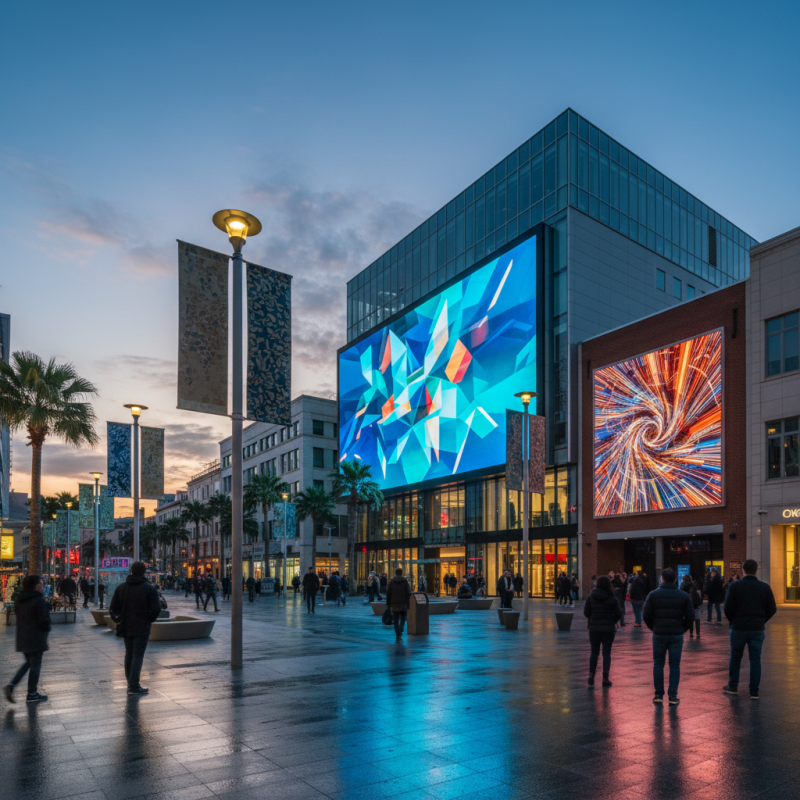
Outdoor displays are more than just signs; they are a vital part of marketing. They attract attention and communicate messages effectively. Businesses can benefit greatly from strategic outdoor displays. When placed correctly, they draw in foot traffic and boost brand visibility.
Engaging visuals are key. Use bold colors and clear messages. Consider the location and audience. Make sure your display fits the environment. Avoid clutter. People should instantly grasp your message. A well-designed display can leave a lasting impression in mere seconds.
Tips for success: Keep your message concise. Use large fonts and simple language. Eye-catching graphics can enhance appeal. Also, think about timing. Seasonal displays can resonate more deeply. Test different designs and gather feedback. Reflect on what works and what needs adjustment. This iterative process ensures your outdoor display continues to be relevant and effective.
Evaluating Different Types of Outdoor Displays Available
When evaluating different types of outdoor displays, consider several important factors. LED displays offer vibrant visuals and high brightness, making them ideal for attracting customers. A 2021 report from Statista showed that outdoor advertising spending was projected to reach $10 billion, emphasizing the importance of effective visibility.
Traditional static billboards also have their place. They can be cost-effective for particular locations. However, their lack of dynamism may limit engagement. Studies indicate that digital displays have a 47% higher recall rate than their static counterparts. This highlights the growing trend toward digital solutions.
Portable displays are another option. They are flexible and can be repositioned as needed, which is beneficial for events and promotions. However, their durability can sometimes be a concern. Businesses should test materials to ensure they withstand environmental factors. Understanding local regulations and zoning laws is crucial before making any decisions. Each type of display has its pros and cons, requiring careful consideration for the best fit for a business.
Comparison of Outdoor Display Types
Identifying Key Factors for Choosing the Right Display
When selecting an outdoor display for your business, several key factors come into play. One of the most important aspects is the display's visibility. Research indicates that 75% of customers reported entering a store based on the visibility of an outdoor sign. A display must stand out in various lighting conditions and weather scenarios. Consider brightness levels and contrast, ensuring your message remains clear, even under direct sunlight. This is crucial for attracting foot traffic.
Another critical element to evaluate is the durability of the display. Reports show that outdoor displays can last anywhere from 2 to 10 years, depending on the material quality. LEDs typically offer an extended lifespan and require less maintenance. It's worth reflecting on the return on investment; cheap displays may lead to frequent replacements, ultimately increasing costs. Additionally, ensure the display aligns with your branding strategy, maintaining consistency across all platforms. Effective displays should resonate with your target audience’s preferences and behaviors, enhancing customer engagement.
Assessing Local Regulations and Installation Requirements
When considering an outdoor display for your business, understanding local regulations is crucial. Each municipality has distinct rules. These vary widely, covering everything from size limits to placement restrictions. Some areas may require permits. Failing to comply can lead to fines or removal. Thus, research is essential.
Installation requirements can also be daunting. Consider the location's physical aspects. Is the surface suitable for mounting? Are there electrical access points nearby? You might need professionals for proper installation. It's not merely about aesthetics; safety matters. Improper installations can be hazardous.
Lastly, don't underestimate the aesthetic impact of your outdoor display on the local environment. Some regulations focus on visual pollution. An oversized or poorly placed display could provoke complaints from neighbors. Reflect on balance and compatibility with your business image. Engage with your community for insights to make informed decisions.
How to Choose the Best Outdoor Display for Your Business? - Assessing Local Regulations and Installation Requirements
| Dimension |
Description |
Considerations |
Example Regulation |
| Size |
Physical dimensions of the display unit. |
Check local zoning laws for size limitations. |
Maximum 10 feet in height in commercial zones. |
| Brightness |
Luminance level of the display. |
Ensure it meets local illumination standards to avoid glare. |
Maximum 6,000 nits during daylight hours. |
| Installation |
Requirements for setting up the display. |
Check if a permit is needed for installation. |
Permit required for installations over 5 feet. |
| Power Supply |
Electricity requirements for operation. |
Confirm availability of adequate electrical service. |
Minimum 120V outlet required. |
| Location |
Geographical and environmental factors affecting visibility. |
Consider surrounding structures and natural light. |
Buildings cannot obstruct visibility from streets. |
Budgeting for Your Outdoor Display Investment and Maintenance Costs
When budgeting for your outdoor display, consider both the initial investment and ongoing maintenance costs. The right display can attract customers, but expenses can add up. Start by evaluating the types of displays available, such as digital screens or traditional banners. Each option comes with different price points and potential expenses.
Installation costs are another crucial factor. Hiring professionals might ensure a secure setup, but it can also increase your budget significantly. Remember to account for utilities too, especially if you're choosing a digital display. Think about how electricity consumption will affect your monthly expenses.
Maintenance is often overlooked. Outdoor displays face harsh weather, which may lead to repairs. Regular upkeep is essential to keep them looking fresh. Create a maintenance schedule with a local service provider. This way, you’ll understand future costs more clearly. Reflect on your investment to ensure it aligns with your business goals.