How to Choose the Best LED Display Controller for Your Needs?
Choosing the right LED display controller can significantly impact your project's success. A report from MarketsandMarkets indicates that the global LED display market is expected to reach $70.69 billion by 2026. This growth emphasizes the importance of selecting the best LED display controller to meet your unique needs.
Industry expert John Smith, a renowned figure in LED technology, states, "The right controller transforms a good display into a great one." His insight underscores how a suitable LED display controller enhances visual performance and user experience. Make decisions based on factors like compatibility, performance, and scalability.
Budget constraints often lead us to compromise. However, investing in quality can save costs in the long run. Evaluate your requirements thoroughly before concluding. Remember, the wrong choice can be detrimental to your project's goals. Prioritize reliability and features critical to your specific applications.
Understanding the Basics of LED Display Controllers
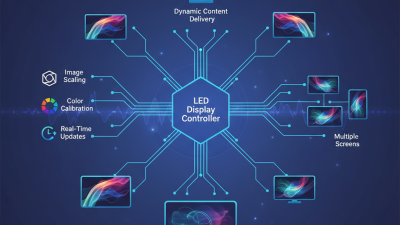
LED display controllers play a crucial role in managing the performance of your display screens. Understanding their basics is essential for making informed choices. These devices act as the brain behind the scenes, processing inputs and sending signals to the LED panels. They manage video content, brightness, colors, and refresh rates. This functionality ensures your display performs optimally under various conditions.
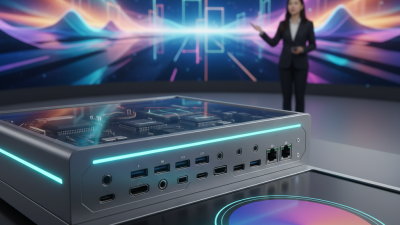
When selecting a controller, consider resolution support and connectivity options. Some controllers handle higher resolutions, improving image clarity. Connectivity impacts usability too. Insufficient or incompatible connections may limit your ability to utilize certain features. Adequate research is needed to avoid mismatches. Don’t overlook software compatibility either. The ideal controller should work seamlessly with your existing systems.
Customization options can enhance your experience. A controller that allows adjustments to settings can be more beneficial. However, overcomplicating these adjustments can lead to confusion. It’s crucial to strike a balance. Always test the controller in your setting before finalizing your purchase. Each LED display has unique needs, so a one-size-fits-all solution may not exist.
Key Features to Consider When Selecting an LED Display Controller
Selecting the right LED display controller is crucial for various applications. When choosing one, consider key features and functionalities that meet your unique needs. A core feature to examine is the controller's compatibility with your display hardware. Many controllers vary in supported resolutions and formats. Ensure yours can handle the demands of your specific display setup.
Another important aspect is the user interface. A user-friendly interface allows for easier operation and troubleshooting. Controllers with intuitive menus and clear displays can save time and reduce errors. Furthermore, think about connectivity options. It is essential to check what inputs and outputs the controller supports. This flexibility will facilitate integration with other systems and devices.
When evaluating options, reflect on the level of technical support available. Quality support can make a significant difference in your experience. Don't hesitate to request demonstrations or customer feedback on controllers. The right information can lead you to better decisions. Prioritize features that align with your specific goals for an LED display controller. This way, you can avoid frustrations later. Optimal choices enhance both performance and user satisfaction.
LED Display Controller Feature Comparison
This bar chart illustrates key features to consider when selecting an LED display controller. The data shows various attributes such as price, maximum resolution, number of input ports, processing power, and refresh rate, providing a clear comparison for potential buyers.
Assessing Compatibility with Your LED Display and Other Equipment
When selecting an LED display controller, compatibility is crucial. Ensure it aligns with your specific LED display model. Different types of displays often require distinct controllers. A mismatch can lead to poor performance or even failure to function. Assess your display's specifications against potential controllers carefully. This step can save time and money in the long run.
Additionally, consider the other equipment in your setup. Look at signal sources, processors, and any additional hardware. Each component should ideally communicate seamlessly with the controller. For example, if your source device outputs in a specific format, your controller must support it. It's also wise to evaluate any software requirements. Software compatibility can further complicate integration.
Despite preparation, challenges may still arise. You might find that a controller works well with the display but not with other devices. Be ready to troubleshoot and seek solutions. Compatibility is an ongoing process, not just a one-time assessment. Staying informed about updates and new technologies will help you adapt.
Evaluating Budget and Cost-Effectiveness of LED Display Controllers
When selecting an LED display controller, cost-effectiveness is crucial. The upfront cost can vary widely based on features, performance, and brand reputation. Evaluate your specific needs against these factors. Consider the long-term savings from energy efficiency and maintenance needs. Sometimes, a lower-priced option may lead to higher costs later.
Before finalizing your choice, perform a thorough cost analysis. Break down the expenses related to installation, operation, and potential repairs. This will help you understand the total investment over time. Remember, the cheapest product isn't always the best value. Durability and support are equally important.
Don't overlook the importance of flexibility. Look for controllers that can adapt to future changes. A model that meets your current requirements may not suffice as your needs evolve. A system that allows for upgrades can save you from future expenses. Reflect on what features you genuinely require to avoid overspending.
Exploring Customer Support and Warranty Options for LED Controllers
When selecting an LED display controller, customer support and warranty options are key factors. Good customer support can greatly enhance your experience. Look for companies that offer 24/7 assistance through multiple channels. This ensures you can get help when you need it. Test their response times before making a decision. An efficient support team can save you from costly downtime.
Warranties are equally important. A robust warranty reflects the manufacturer’s confidence in their product. It often covers parts and labor for a specific period. Understand what is included in the warranty. Some may offer extended options, but they can be costly. Be cautious about warranties that seem too good to be true. Always read the fine print.
Consider your specific needs. Perhaps you require frequent updates for your displays. Or maybe, you want seamless integration with existing systems. These factors influence the type of support and warranty you may need. Think of the future. A reliable controller should grow with your requirements. If the platform lacks flexibility, your investment may fall short.