2026 How to Choose the Best LED Display System for Your Needs?
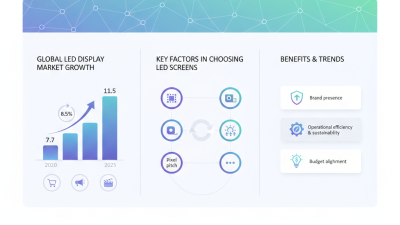
In the rapidly evolving world of digital signage, selecting the right LED display system is crucial. According to an industry report by Grand View Research, the global LED display market is projected to reach $100 billion by 2026. This growth reflects the increasing demand for high-quality visual experiences in various sectors, such as retail and entertainment.
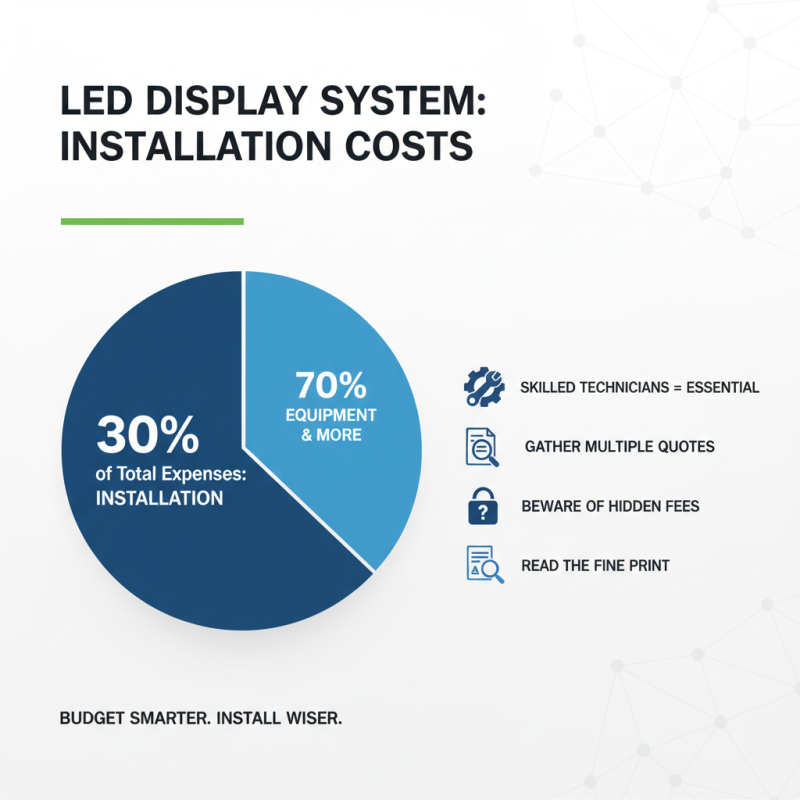
When considering an LED display system, key factors include brightness, resolution, and size. A system that is too dim may fail to capture attention, while one with inadequate resolution could compromise visual impact. Moreover, installation and maintenance costs can vary significantly, which impacts long-term value. The choice of an inappropriate system can lead to wasted resources and missed opportunities.
Users often underestimate their needs, opting for systems that do not suit their environment. It's important to assess the specific requirements of your space. A well-chosen LED display system can enhance engagement, but a poor selection may lead to a lack of effectiveness. Understanding the nuances of these systems will pave the way for informed decision-making in this vibrant market.
Factors to Consider When Selecting an LED Display System
When selecting an LED display system, several factors play a crucial role. Start by considering the environment where the display will be used. Indoor displays have different requirements compared to outdoor models. Brightness, clarity, and weather resistance are critical for outdoor use. Meanwhile, indoor displays may prioritize color accuracy and viewing angles.
Resolution is another important factor. Higher resolution means better image quality. However, this often leads to increased costs. It’s worth reflecting on whether the additional investment aligns with your needs. Then there's the size. A larger screen provides more visibility, but can also overwhelm smaller spaces, creating a mismatch. Evaluate the space carefully to avoid costly mistakes.
Maintenance cannot be overlooked. Some systems require frequent upkeep, while others are more user-friendly. Evaluate the long-term costs associated with maintenance. Think about the installation process as well; a complex setup can lead to delays and additional expenses. Balance ease of installation with your technical capabilities to make an informed decision.
Evaluating the Different Types of LED Display Technologies Available
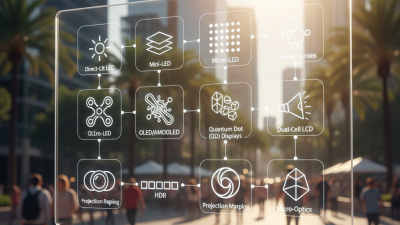
Choosing the right LED display technology can be challenging. There are several types to consider, each with its strengths and weaknesses. The common types include direct view LEDs, LED video walls, and transparent LEDs. Direct view LEDs offer bright images, perfect for outdoor settings. However, they can be costly and require significant power.
LED video walls create stunning visual experiences. They are suitable for concerts or events. Yet, how seamless is the viewing experience? Gaps between panels can affect display quality. Transparency is another emerging technology. Transparent LEDs can blend into their surroundings. But their visibility in bright light is often questioned.
Assessing your needs is crucial. Will you use the display indoors or outdoors? How important is image resolution? Be wary of your budget constraints, too. It’s easy to get caught up in flashy features. Sometimes, simpler options meet your needs better. Exploring reviews and user experiences may offer valuable insights into these technologies. Ultimately, balance your needs and available technology for the best results.
2026 How to Choose the Best LED Display System for Your Needs?
| Display Type |
Resolution |
Brightness (nits) |
Viewing Angle |
Average Lifespan |
Best For |
| SMD LED |
1920 x 1080 |
5000 |
160° |
100,000 hours |
Indoor Displays |
| RGB LED |
1280 x 720 |
1000 |
120° |
80,000 hours |
Signage |
| OLED |
3840 x 2160 |
600 |
180° |
50,000 hours |
High-end Displays |
| Mini LED |
2560 x 1440 |
1200 |
160° |
100,000 hours |
Gaming Monitors |
| Micro LED |
3840 x 2160 |
2000 |
170° |
100,000 hours |
Home Theater Systems |
Understanding Resolution and Pixel Density for Optimal Visual Quality
When selecting an LED display system, resolution and pixel density play crucial roles. Resolution defines the image clarity. Higher resolutions offer finer details. For instance, a 4K resolution provides four times the detail of 1080p. This is essential for applications needing sharp visuals, like indoor advertising or high-definition content displays.
Pixel density, measured in pixels per inch (PPI), also contributes significantly to visual quality. A display with higher PPI means more pixels are packed into each inch. This creates smoother images and reduces visible pixels. For example, a display with a PPI of 300 offers a sharper look compared to one with 150 PPI. However, keep in mind that very high pixel density can lead to increased costs and may not always be necessary for casual viewing.
Choosing the right combination of resolution and pixel density can be challenging. Often, users might prioritize one over the other. It’s essential to consider the viewing distance. A high-resolution display might not matter if the viewer is far away. Testing different options before making a decision is a wise approach.
Assessing Brightness and Color Accuracy for Outdoor vs. Indoor Displays
When choosing an LED display, brightness and color accuracy are key factors. Outdoor displays often face strong sunlight, requiring higher brightness levels. Generally, a brightness of 5,000 nits or more is recommended for outdoor settings. This ensures visibility, even in direct sunlight. Indoor displays, on the other hand, can operate effectively with lower brightness, typically between 1,000 to 2,000 nits.
Color accuracy is crucial for both environments but varies in priority. For outdoor displays, vibrant colors are essential for attracting attention. A color accuracy of 80% or higher is often the goal. Indoor displays focus more on natural color tones, aiming for 90% or above. However, many displays struggle to achieve this in real-world conditions. Calibration can help but may not fully resolve inherent limitations.
Brightness can diminish over time, especially with constant use. Reports indicate a 20% reduction in brightness over a five-year period. It’s important to consider this when making a long-term investment. Additionally, not all LED technologies maintain color integrity equally. Some may present inaccuracies that are hard to detect at first glance. Regular assessments of your display’s performance can help identify areas for improvement.
Brightness and Color Accuracy of LED Display Systems